Kosher and Jewish Life in Italy
TJT’s guide for kosher and Jewish travelers in Italy. Information about kosher restaurants, cafes, shops, bakeries or delis, kosher near me location based (GPS) search, & Jewish points of interest, such as shuls, mikvahs, kosher and observant friendly hotels and Jewish community centers in Italy, Europe.
*JOFY - Jewish Observant Friendly, not necesessarily kosher.
About Italy
Jewish History, POI & Kosher Establishments in Italy
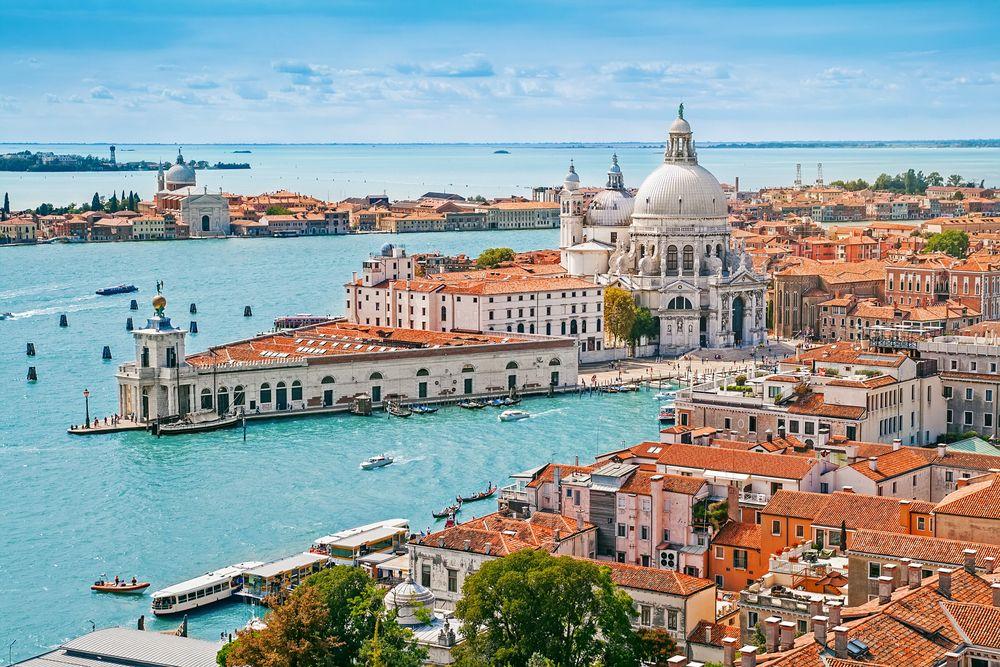
Italian Jews can be traced back as far as the second century BCE, tombstones and dedicatory inscriptions from this period still survive today. It is the only Jewish community in Europe dating back to before the Diaspora era. Italian Jews have very different ancestry, with the main strands represented today being Italian, Sephardic, Ashkenazi, Persian and Libyan Jews. The 30,000 Jews in Italy form a thriving community, which is concentrated in the major cities Rome, Milan, Turin, Florence and Leghorn (Livorno). Interest in Jewish culture is wide-spread among the wider Italian population, though knowledge about Judaism is often quite limited. Kosher food is available in the main cities that have a large community. Italy's widely dispersed Jewish community has, at different periods of its long history, been present in scores of cities and towns across the country. Italian Jewry today is concentrated in Rome (15,000) and Milan (10,000). Smaller communities exist in Turin (1,600), Florence (1,400), and Livorno/Leghorn (1,000). A few hundred Jews each are also organized in Bologna, Genoa, Trieste, and Venice, and smaller numbers of Jews are found in Alessandria, Ancona, Asti, Casale Monferrato, Ferrara, Gorizia, Mantua, Merano, Modena, Naples, Padua, Parma, Perugia, Pisa, Siena, Spezia, Vercelli, Verona, and Viareggio. Italian Jewry was notably bolstered by the arrival some 3,000 Jews from Libya in the late 1960s and early 1970s. In 1516, 700 Jews of Venice were forced to move to a then-remote northwestern corner of Venice, an abandoned site of a 14th-century foundry where the first ghetto was build. The word ghetto, soon used throughout Europe for isolated minority groups, originated in Venice: in the local dialect of that time it meant “foundry”. For the Jews of Italy, the sense of equality and emancipation was brutally quashed during the Fascist period (1922-43), when Benito Mussolini ruled as il duce. Since that time, the synagogues and their communities – where they managed to survive – returned to the lesser, pre-Emancipation dimensions. Except for the Community of Leghorn, no major synagogue has been built in Italy since the end of World War II.
There are many kosher restaurants in Rome and kosher restaurants can be found in cities throughout the country, such as Naples, Milan, Florence, Venice and Tuscany. There are a number of kosher hotels that operate in northern Italy. There are very popular Pesach programs in Italy and throughout Europe.
Please note:
Shabbat times on this page are based on the common Candle lighting formulas - in most locations it is 18 minutes before sunset. If you have any comments or questions regarding Shabbat Times on this page, please contact us
What Is *JOFY?
JOFY, or "Jewish Observant Friendly" Establishments are lodging establishments offering special services for Jewish Observant guests such as Shabbat meals, accommodation on lower floors and regular keys for the rooms. It can also be a NON KOSHER establishment located in walking distance from the local Shul, community or kosher restaurants area.
Please note - *JOFY does NOT mean that KOSHER food is served on the premises!