About Corfu
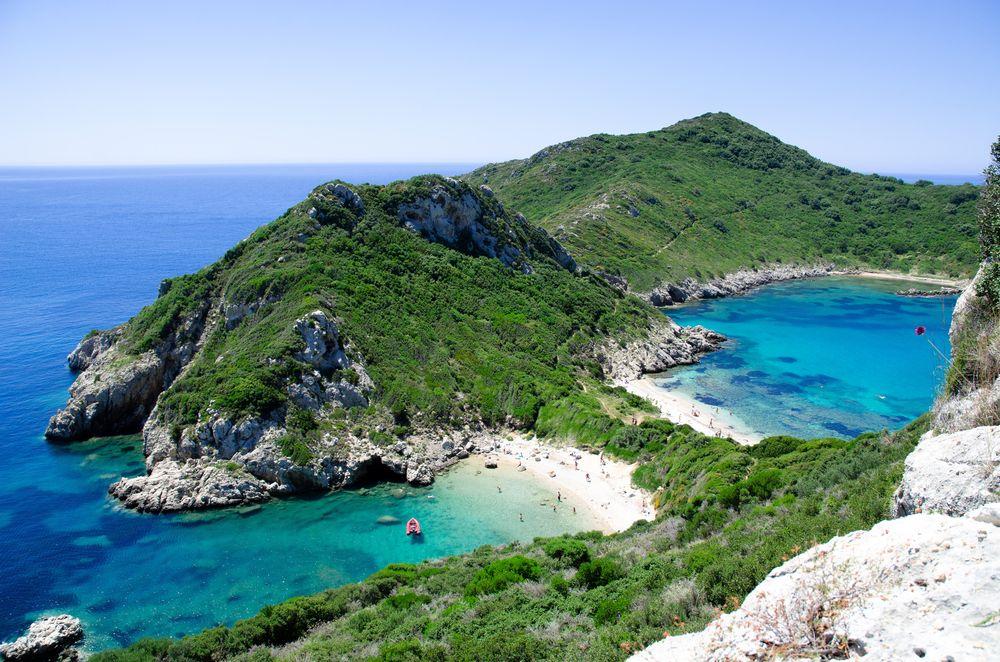
Corfu, an island off Greece’s northwest coast in the Ionian Sea, is defined by rugged mountains and a resort-studded shoreline. Its rich culture reflects years spent under Italian, French and British rule before it was united with Greece in 1864. Beaches range from the fine sand and shallow waters of Ayios Georgios to the water sports and party atmosphere at Cavos. The island is bound up with the history of Greece from the beginnings of Greek mythology. Its Greek name, Kerkyra or Korkyra, is related to two powerful water symbols: Poseidon, god of the sea, and Asopos, an important Greek mainland river. The island's history is full of battles and conquests. Castles punctuating strategic locations across the island are a legacy of these struggles. Two of these castles enclose its capital, which is the only city in Greece to be surrounded in such a way. As a result, Corfu's capital has been officially declared a Kastropolis ("castle city") by the Greek government. Corfu is a very popular tourist destination. Corfu has a hot-summer Mediterranean climate.
Jewish History, POI & Kosher Establishments in Corfu
CORFU, Greek island, the second largest of the Ionian group. The town of the same name is the largest on the island. *Benjamin of Tudela , in c. 1160, found only one Jew in Corfu. The number of Jews increased during the 13th and 14th centuries with the arrival of newcomers from the mainland. In 1522 there were about 200 Jewish householders; in 1558, about 400; and in 1663, 500. The Jews of Corfu engaged in dyeing, leather tanning, moneylending, trading, and the brokerage of goods between Venice and the Levant. The Jewish merchants of Corfu were granted privileges not granted to those of Venice itself. During the occupation by the Italians (1941–43) there was relative quiet. The Germans occupied the island on September 27, 1943. On June 14, 1944, 1,800 Jews were deported to Auschwitz. By 1948, the number of Jews in Corfu was reduced to 170, in 1968 to 92. In the early 21st century fewer than 50 Jews remained, and only one of the four synagogues. The Greca Synagogue, (the only one who survived the Allied bombing during the second world war), is one of the finest in Greece. It is called the Scuola Greca (or Tempio Greco) and can be dated to the 17th century.